How guests place their order — at a table or at a counter — shapes almost everything about the experience: speed, spend, staffing, and the feel of the place. It's one of the most fundamental operational decisions a venue makes, and it's not always the same as what you inherited from the previous owner. Here's a practical breakdown to help you think it through.
Counter ordering: pros and cons
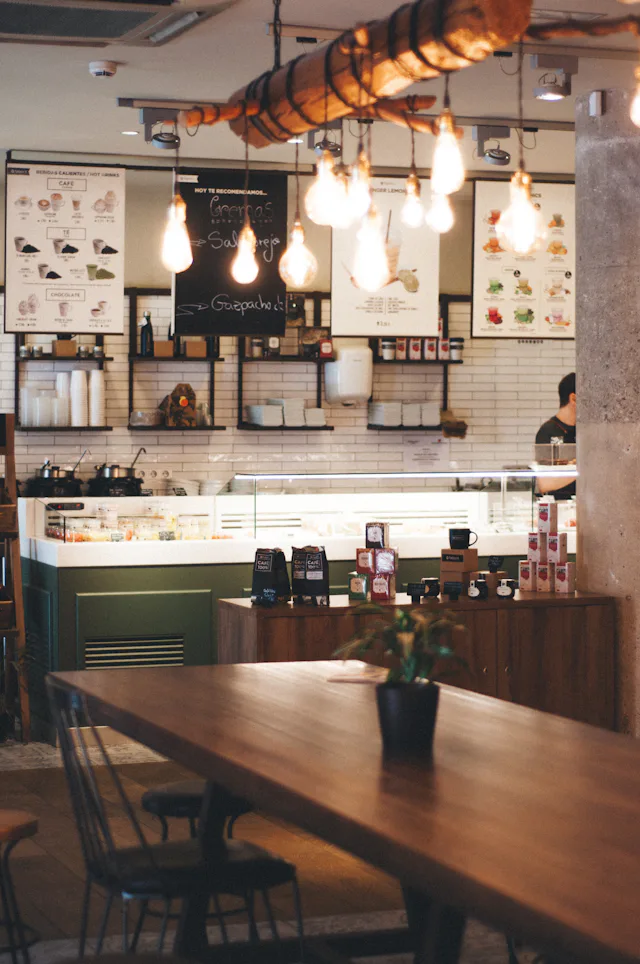
Counter ordering (guests queue, order at the till, take a number) is the model used by most cafés, fast-casual restaurants, and pubs serving food. Its main advantages:
- Faster throughput. Orders go in immediately. No waiting for a server to arrive at the table.
- Lower labour cost. You need fewer front-of-house staff. One or two people at the counter can serve a high volume.
- Simpler operations. Kitchen communication is straightforward. The queue self-manages.
The disadvantages are real too:
- Less upsell opportunity. A counter order is quick. There's limited time to suggest extras, drinks, or upgrades.
- Queue friction. If the counter is busy, guests may leave. A queue is visible before a seat is even found.
- Lower perceived quality. Counter service signals informality, which is appropriate for some venues and a mismatch for others.
Table ordering: pros and cons
Table service is the standard at restaurants, gastropubs, and anywhere the experience is core to the offer. Its advantages:
- Higher spend per cover. Guests who are settled, comfortable, and attended to order more — more courses, more drinks, more desserts.
- Better for groups and long visits. A table with six people ordering sequentially works far better with a server than a counter queue.
- Upsell and recommendation opportunity. Staff who know the menu can genuinely improve the guest's experience and the restaurant's revenue simultaneously.
And the challenges:
- Higher staff cost. You need more front-of-house people to cover all tables adequately.
- Slower turns. Table service naturally extends the dining experience, which may or may not suit your model.
- More complexity. Managing a full floor of tables, timing courses, handling complaints — it's operationally more demanding.
The hybrid model
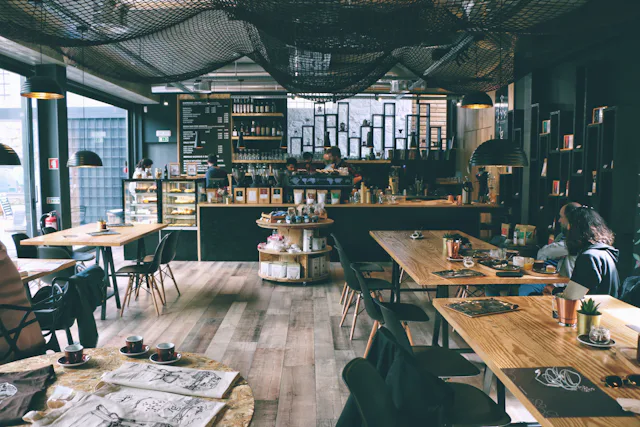
A growing number of cafés and casual restaurants use a hybrid approach: guests sit at a table, browse the menu via QR code, then order at the counter (or are brought their order). This captures the best of both approaches — guests are comfortable and unhurried while choosing, but the ordering process is self-service and fast.
This model works particularly well for cafés with table space but limited floor staff. The QR menu gives guests something to engage with from the moment they sit down, reducing perceived wait time before they order. The counter interaction, when it comes, is already informed by what the guest has been browsing.
What affects the decision for your venue
There's no universal answer. Ask yourself:
- What's your food type? A quick-serve café lunch works at a counter. A three-course dinner doesn't.
- What are your staff ratios? If you're running lean, counter service is more viable.
- What does your space look like? A venue with a natural flow to a counter benefits from it. A venue with tucked-away tables doesn't.
- Who are your customers? Business lunchers often prefer counter speed. Families and social groups often prefer table service.
- What's your average spend target? If you need £25+ per head, table service with skilled staff is likely necessary.
How digital menus work for both models
Octopus Menu works with both service models. For table service venues, a QR code on the table lets guests browse before a server arrives — reducing the "I haven't had a chance to look yet" delay and making the ordering conversation faster. For counter service venues, a QR menu near the queue lets guests decide before they reach the till, keeping the line moving. For the hybrid model, the QR menu at the table is the primary interaction, with the counter as the ordering mechanism.
The key insight is that a digital menu doesn't dictate your ordering model — it works within whichever model suits your venue. It just makes that model more efficient.