Most restaurant owners think of a digital menu as a convenient replacement for paper — something that saves on reprinting costs and makes life a bit easier. That's true, but it undersells what a well-built digital menu actually does. The best ones don't just display your food: they actively influence what guests choose to order, and how much they spend. Here are five ways that plays out in practice.
1. High-quality photos drive higher spend
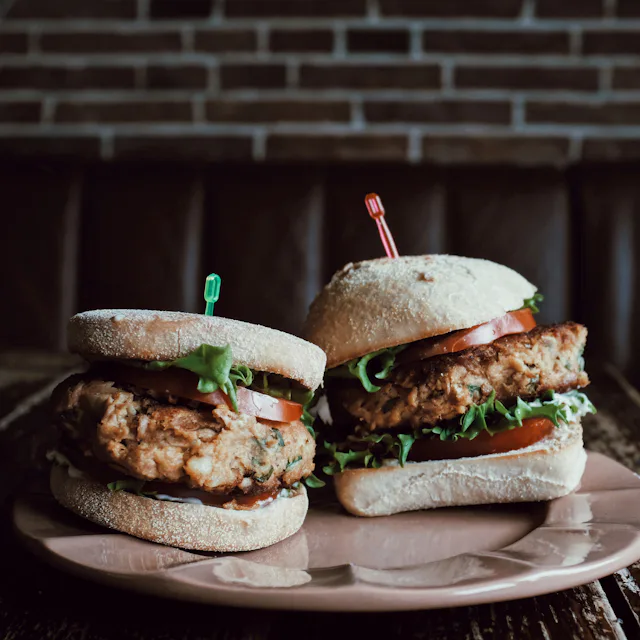
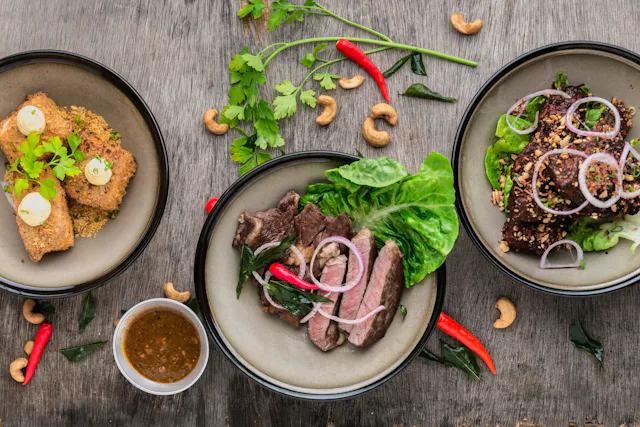
The research here is consistent across the hospitality industry: menu items with photos outsell those without by roughly 25–30%. That's not surprising when you think about it. A guest reading "Pan-seared sea bass with caperberry butter" is relying on imagination. A guest looking at a beautifully plated photo of that dish has already decided they want it.
Paper menus can have photos, but they're expensive to include, go out of date, and print poorly on budget paper. A digital menu lets you add a photo to every item (on Octopus Menu, from the Essential plan), update them instantly, and display them at full size on a modern smartphone screen. The visual quality of a digital menu is simply much higher than most printed alternatives.
2. Options and upgrades, visible at the right moment
A visible upgrade — "Large for £1.50 more", "Bottle instead of glass" — works because guests see it at exactly the right moment: when they're already engaged with a dish and considering it. It's not a pushy server interruption. It's a natural nudge.
Octopus Menu lets you add variants to any item — sizes, portions, glass or bottle — each with its own price, shown as guests browse. A pasta can list half and full portions. A wine can show glass and bottle side by side. Guests routinely trade themselves up when the better option is right in front of them, and those small upgrades add up meaningfully across a service.
3. Guests discover dishes they wouldn't otherwise order
On a paper menu, guests tend to look at the sections they already know they want. They'll scan starters, pick a main, and order. The digital equivalent encourages scrolling — guests browse categories, tap into items, read descriptions, look at photos. That browsing behaviour consistently surfaces dishes they hadn't considered.
Unusual specials, premium-priced dishes, and high-margin items that get buried in a crowded printed menu get fair exposure on a digital one. If something looks good on screen, it gets ordered. Restaurants that move to digital menus often find that previously overlooked items suddenly start selling.
4. Allergen transparency encourages more confident ordering
A guest with a dairy intolerance looking at a printed menu has to ask a member of staff about every dish they're considering. That friction often leads them to play it safe — ordering the same simple dish they always order, because they know it's fine. They don't explore.
A digital menu that shows allergens clearly per item removes that anxiety entirely. Guests can filter, check, and browse freely. They're more likely to try something new when they're confident it's safe. That exploration tends to push spend upwards — they're no longer defaulting to the cheapest safe option.
5. Real-time updates let you push high-margin items
Every restaurant has dishes with better margins than others. A £12 pasta dish with £2 of food cost performs very differently to a £14 steak with £7 of food cost. On a paper menu, you can't easily adjust prominence without a reprint. On a digital menu, you can reorder dishes, add "Chef's recommendation" labels, or create a "Today's specials" section in about two minutes.
Octopus Menu's analytics show you which items guests look at most — and which get skipped, a gap that often highlights a pricing or description issue. Use that data to refine what you push, and watch your average order value improve over time. It's a feedback loop that printed menus simply cannot provide.