UK restaurants typically see 40–60% more covers in June, July, and August compared to the quieter months. Outdoor dining picks up, tourists arrive, and locals make the most of better weather. Most independent restaurants welcome this — but many aren't operationally prepared for what that volume actually means on the ground.
What breaks at peak
When a restaurant goes from 30 covers a night to 80, small inefficiencies become serious problems:
- Allergy questions overwhelm staff. When it's quiet, a server has time to go to the kitchen and check. When it's busy, that exchange takes too long and creates a queue at the wrong moment.
- Menus run out or get damaged. Paper menus go missing, get spilled on, or aren't enough to cover all the tables at once. Guests wait while staff hunt for a spare.
- Table turns slow down. Guests who've been waiting for a menu take longer to decide once they finally get one.
- Specials are hard to communicate. Writing specials on a board is fine; getting every guest to see them is harder. Verbal communication at 80 covers a night is inconsistent.
How a digital menu helps
A QR code on the table means there's effectively no limit on "menu availability." Every guest at every table can access the menu simultaneously from the moment they sit down — before a server has even arrived. By the time someone comes to take an order, the table has often already decided.
Allergen information is right there on the menu. Guests with intolerances can check themselves, confidently, without needing to flag a server. That alone removes a significant amount of back-and-forth during a busy service.
Specials can be added to the digital menu in 30 seconds and appear for every guest immediately. Update the daily fish special at 11am, and every guest who scans after that sees it. No board, no verbal briefing, no missed tables.
Setting up your summer menu in 30 minutes
Before the rush hits, it's worth building a dedicated summer version of your menu. In Octopus Menu, you can keep as many draft menus as you like and switch which ones are live — one live menu on Free, three on Essential, unlimited on Growth. A summer menu might include:
- Lighter seasonal dishes that weren't on your winter menu
- A summer drinks section — Pimm's, rosé, soft drink pitchers
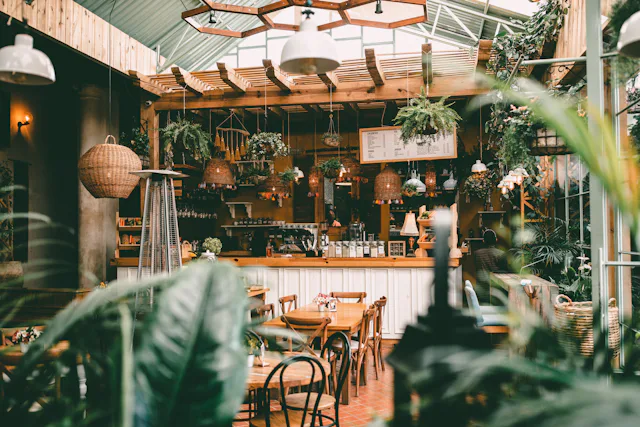
- Outdoor dining options (sharing boards, picnic-style platters) if you have a terrace or garden
- Updated prices if your supplier costs have changed since January
Building this out in Octopus Menu takes about 30 minutes. You can prepare it in advance and then activate it on the day you switch, rather than scrambling to update things mid-service.
Using QR codes outdoors
If you have outdoor seating, QR codes work perfectly on weatherproof table cards — laminated cards that can be wiped down and resist a light shower. Print them on glossy card stock or get them laminated at any print shop for a few pence each.
Place QR codes on every outdoor table and consider adding one to your entrance board ("View our menu here") so people can browse before they're even seated. Guests standing outside deciding whether to come in will often make the decision based on what they see on the menu. Make it easy for them to see it.
The loyalty play
Summer brings in a lot of new customers — people who happen to walk past, tourists, guests attending local events. Many of these people might visit once and then not return. A loyalty programme is one mechanism to change that: if a new summer guest signs up for a stamp card, they have a reason to come back in September. Capture those customers now, and your quieter September becomes noticeably busier. Octopus Menu has a digital stamp card built in on the Essential and Growth plans: guests join from your menu with their email, and staff add a stamp with a 4-digit code. Whatever you use, a stamp card helps you turn one-off summer visitors into autumn regulars.