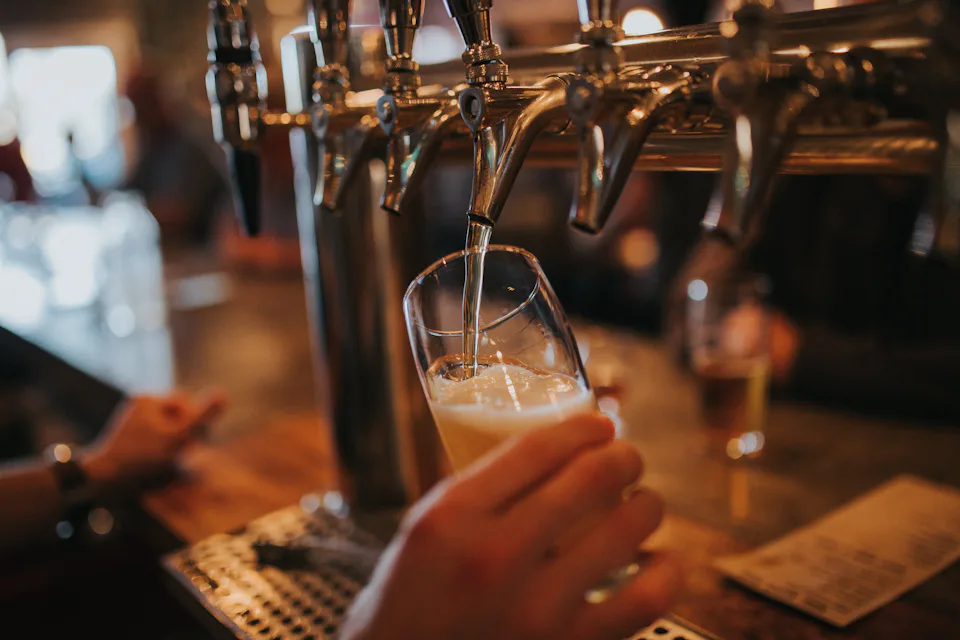
This is an illustrative example, not a real customer — Octopus Menu is pre-launch. It walks through the kind of independent venue we built the product for: a 60-cover gastropub in south London that, for years, printed its menus four times a year — once for each season. Every reprint meant a week of coordination, a design invoice, and a print bill.
The problem
In this scenario the operations lead estimates the restaurant spends around £150 per reprint cycle: £80 for 60 menus, £60 for the updated layout from their designer, and miscellaneous costs for replacements when menus are damaged. Four runs a year put the total at roughly £600.
Beyond the cost, there is the timing problem. The menus always lag behind what the kitchen actually wants to serve. A price change or a new dish is decided, but the menus don’t catch up for six weeks — and that whole time, staff have to explain it verbally.
The final straw is an allergen audit. A food safety officer asks to see written allergen disclosure for three items on the menu. The printed menus carry a generic “allergens available on request” note, but no item-level disclosure. Octopus Menu ships FIR 2014 allergen tagging on every plan, so each item can declare its allergen profile in writing.
The switch
Signing up takes a Tuesday afternoon. The existing menu structure is uploaded, allergen tags are added to each item, and a live QR menu is ready by the same evening — about 12 minutes of active work.
The restaurant prints a set of table cards from a local print shop the following week. Total cost: £38 for 25 laminated A5 cards, placed at every table alongside a small window sticker at the entrance.
What this looks like over 6 months
Illustrative figures, not measured results- Spent on menu printing after going live
- £0
- More frequent menu updates than before
- 6×
- Allergen-related complaints or incidents
- 0
What changes day-to-day
The biggest operational change isn’t the cost — it’s the speed. The kitchen team can tell the operations lead on a Monday morning that they want to add a new special, and it is on the menu before lunch service. No more “put it on a chalkboard and we’ll add it to the menus next quarter.”
The allergy information change is equally significant. Each menu item now shows its allergen profile directly. Guest questions at the table drop noticeably, and the team feels more confident during service.
“Going from a six-week print cycle to a 30-second update is the kind of change that pays for itself in the first month.”
What plan it uses
In this illustration the venue uses the Essential plan at £19/month. The main reasons: multiple menus (a separate bar menu and a Sunday roast menu), per-table QR codes, and the ability to remove the Octopus Menu watermark. At £19, the plan pays for itself in the first month compared with the old printing spend.